

Securing the Future of Small Water Systems: A Conversation with Scott Huckaby of Talbot County, GA
Data Management & Reporting
Digital Transformation
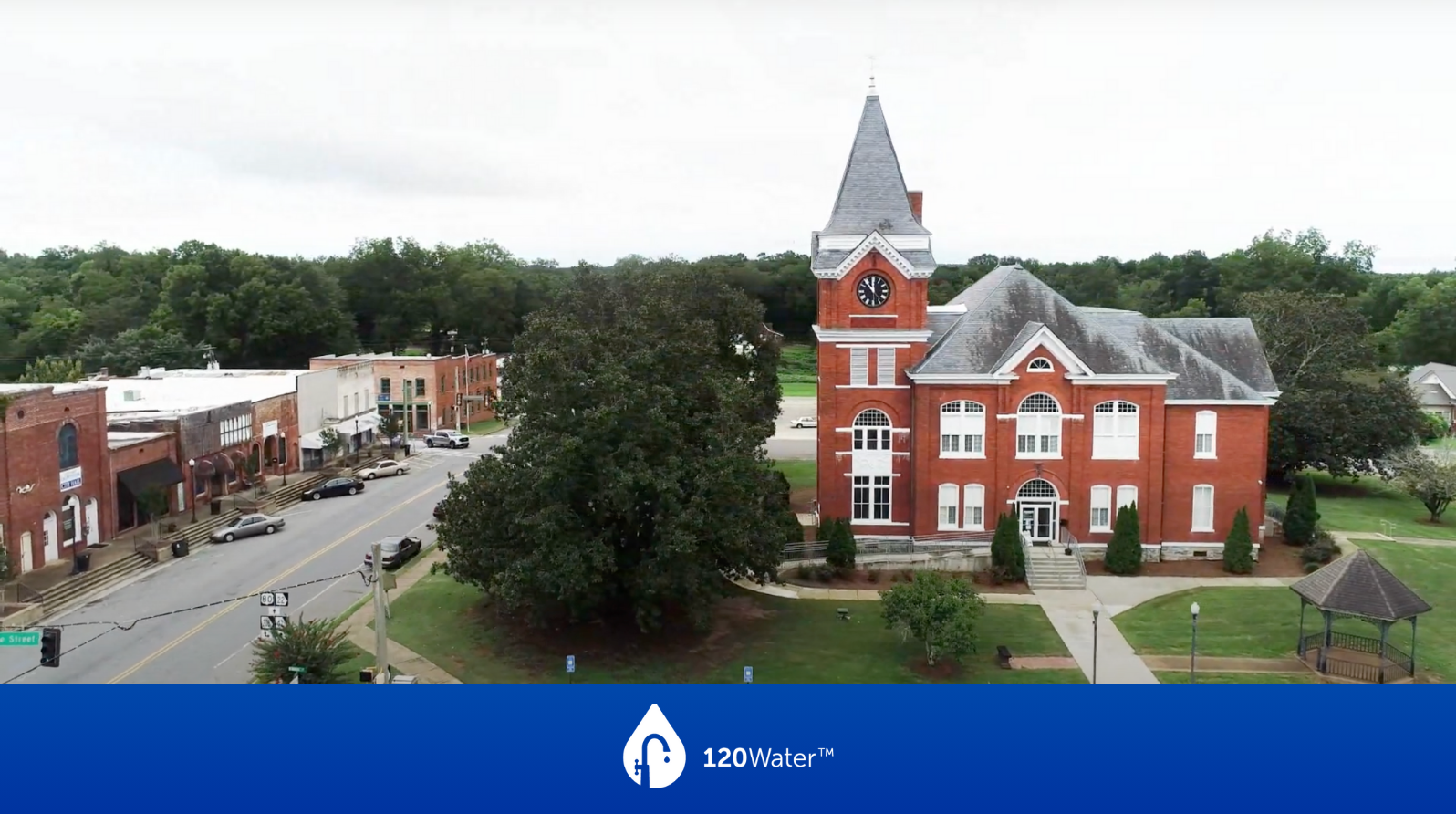
Scott Huckaby is no stranger to the realities of small water systems. As a geologist, retired teacher, and water quality expert, he oversees eight systems across Georgia, each grappling with the same obstacles: aging infrastructure, limited funding, and increasingly complex regulations. “The systems I work with were largely installed in the 1950s, 60s, and 70s. They’re old, patched together, and expensive to maintain. Convincing local governments to invest in these systems is often an uphill battle,” he explained.One example stands out. For years, Scott worked tirelessly to convince a town council to upgrade a collapsing water system from the 1950s. “They were spending more money fixing leaks than they were earning. It took me five years of constant conversations to get them to apply for funding. But in the end, they were able to secure a loan with 60% forgiveness, and the system is finally rehabilitated.”But funding and upgrades are only part of the equation. Scott recalled an especially challenging project involving an orphanage, where decades-old galvanized lines and 50/50 lead solder created serious risks for the vulnerable population living there. “The only real solution is replacing the plumbing in every house,” he shared. “But they don’t have the funding, and there’s little help available for private systems like theirs.”
Aging Operators and the Next Generation Crisis
Beyond infrastructure, the water industry faces another looming crisis: a mass retirement of operators with no clear pipeline of new talent. At 62 years old, Scott is part of a generation nearing retirement. “I’m 62, and most of the operators I know are my age or older. The younger generation isn’t stepping in to fill these roles,” Scott noted.Scott is training one young operator in hopes of bridging the gap. “I tell him, ‘You’ll have job security for the rest of your life. Small towns will always need clean water.’ But we need to do more to attract younger people to this industry. We need programs in high schools to show them this work doesn’t require a college degree, just hands-on training and a willingness to learn.”
PFAS and the Next Frontier of Water Quality Challenges
While tackling aging infrastructure and the lead and copper rule remains critical, Scott pointed to PFAS contamination as the next big challenge. “PFAS is going to make lead and copper compliance look easy,” he said. One of the systems he oversees receives purchased water that already exceeds the limits for several PFAS chemicals.His county is now part of a pilot project funded by the EPA to explore solutions, including drilling new wells that aren’t contaminated. “It’s a step in the right direction, but smaller systems that lack resources to treat PFAS or even conduct proper sampling are going to face enormous hurdles,” Scott explained.He stressed the importance of having the right tools to track and manage compliance. “Operators need simple software to monitor their systems, track sample results, and stay on top of notifications. Right now, we’re drowning in paperwork, and it’s only going to get worse with these new regulations.”
Using Technology to Overcome Barriers
Despite the challenges, Scott sees technology as a key part of the solution. He highlighted how digitizing his service line inventory with 120Water made an unexpected difference during a recent meter replacement project.“The installation company couldn’t locate addresses because the county hadn’t assigned them yet,” Scott explained. “But using the 120Water platform, we were able to map every meter location in the system. It saved us weeks of work.”Scott believes this kind of digital innovation will be essential for navigating new regulations and addressing the operator shortage. “We need tools that are easy to use and help us track everything—from sampling results to customer communication. That’s the kind of support operators need to do their jobs well.”
Looking Ahead: A Call to Action
The challenges facing small water systems are daunting, but they’re not insurmountable. With increased funding, better training programs, and the right technology, the future of clean water for rural communities can be secured.For Scott, the mission is deeply personal. “At the end of the day, it’s about keeping people safe—especially the most vulnerable populations, like kids. We’ve known for a long time what lead and other contaminants can do to people. Now it’s time to do something about it.”By sharing Scott’s story, we hope to inspire collaboration, innovation, and action across the water industry to tackle these critical issues head-on.Are you ready to tackle the challenges facing your water system? Learn how 120Water can support you with software, sampling kits, and expert guidance.
.png)
.png)