
Verification & Replacement
Don't Guess.
Dig Less.
Verify unknown service lines with better data, smarter methods, and fewer holes in the ground.

Lorem ipsum dolor sit amet, consectetur adipiscing elit. Suspendisse varius enim in ersssssssss

Why Verify with 120

Regulatory expertise
Modern software
Public engagement tools
Replacement planning
Have unknown service lines? You are not alone.
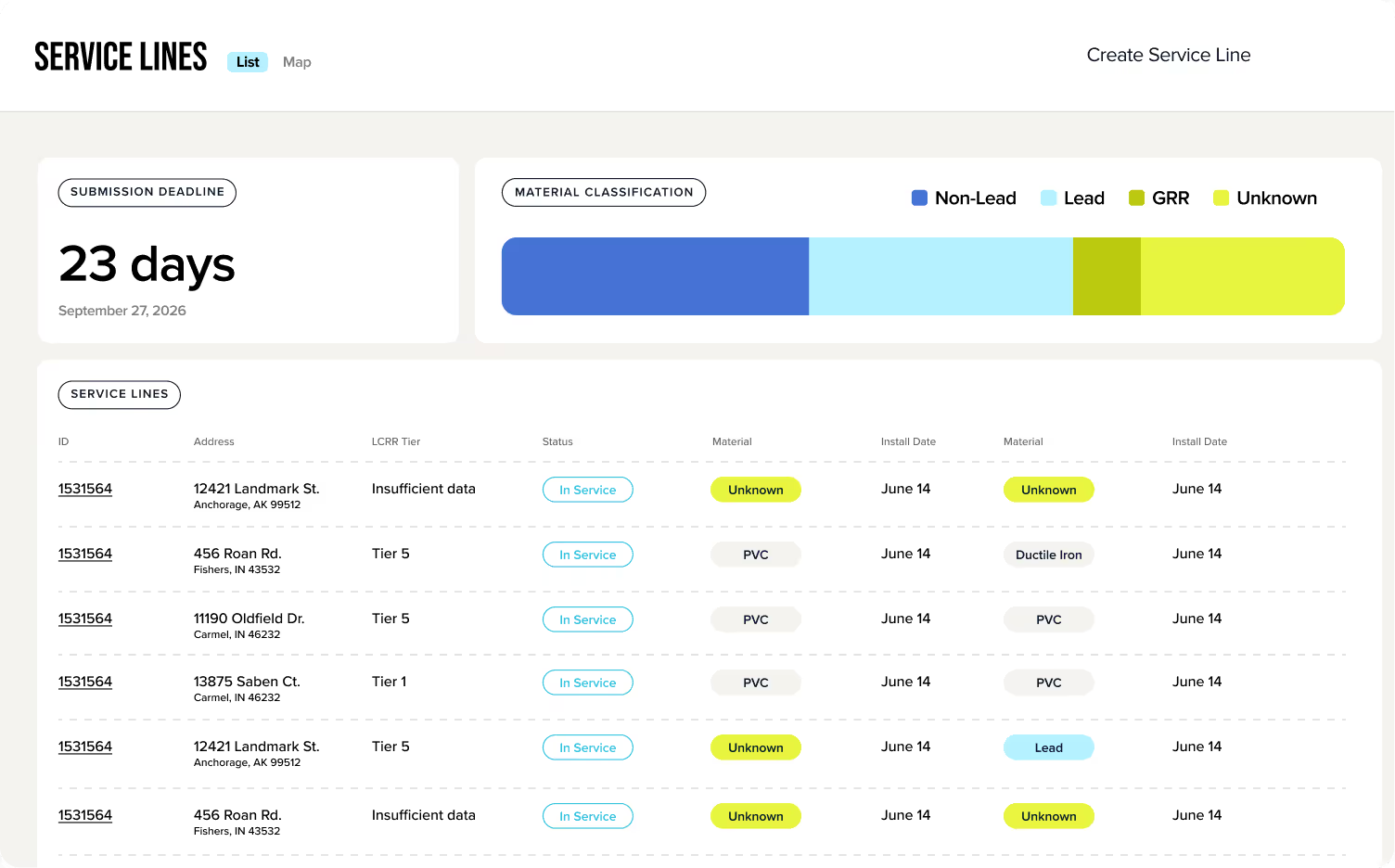
After the October 16, 2024 LCRR inventory deadline, thousands of water systems discovered the same hard truth: a high percentage of service lines are still classified as unknown. Unfortunately, every one of these has to be treated like lead unless you can prove otherwise.
By forming a strategy with 120Water, we can reduce digging and turn your unknowns into knowns.
Unknowns increase costs
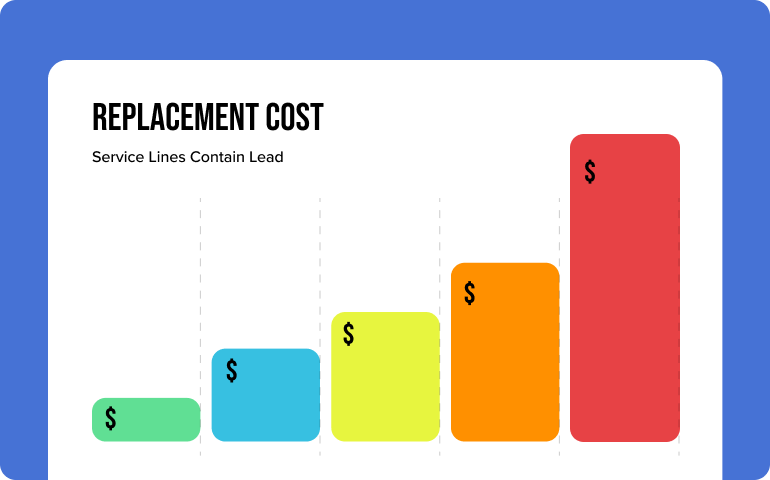
They inflate your replacement plans and communications burdens, wasting valuable resources on service lines that may not even contain lead.
.png)
Unknowns delay progress
They slow down replacement schedules and increase public scrutiny, putting your utility under pressure and out of compliance.
Unknowns erode trust
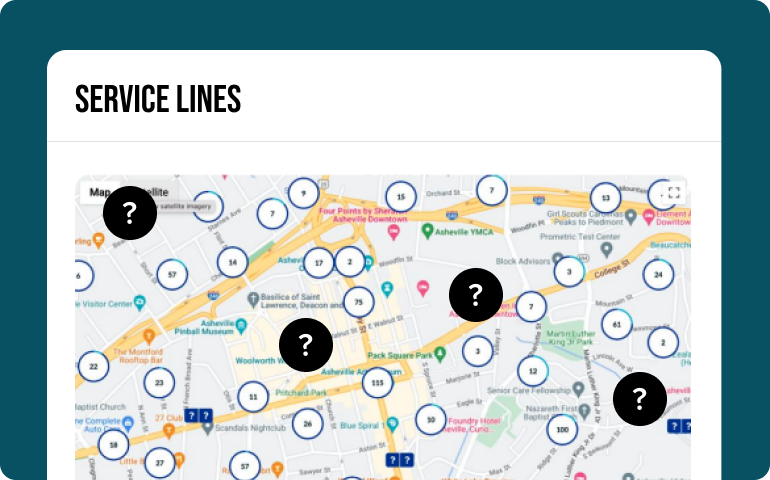
Residents want answers. But without verified data, your communications are vague at best and alarming at worst.
Here’s how it works

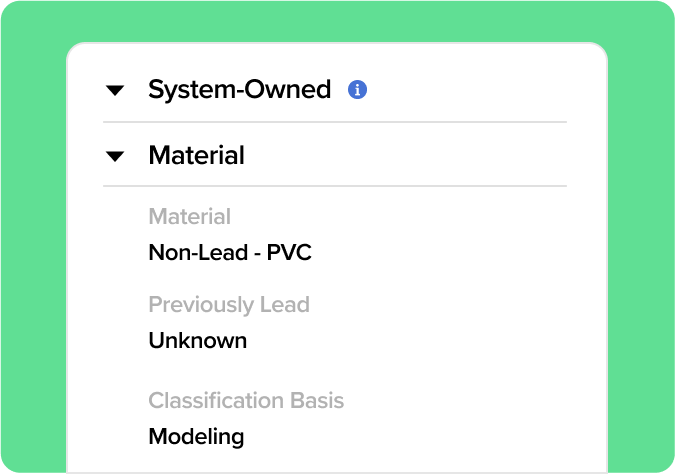
Statistical Analysis: In qualifying states, our process helps validate non-lead lines, minimizing digs, reducing field costs, and accelerating inventory updates.

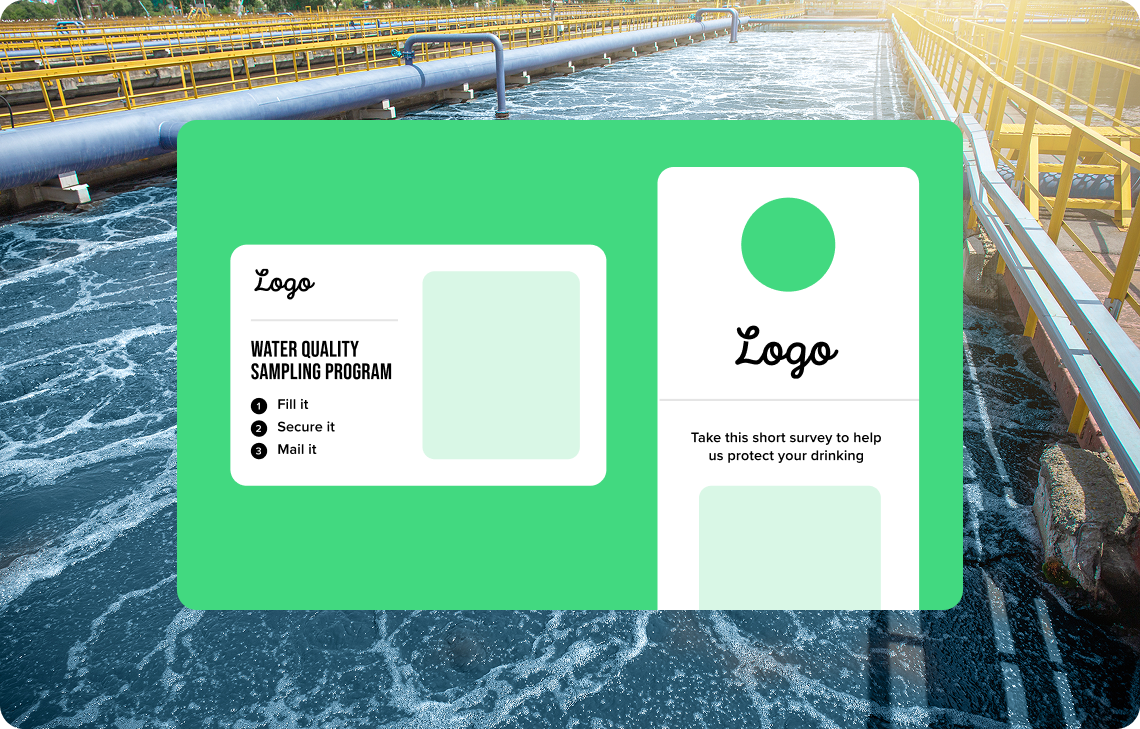
Digital & Physical Customer Outreach: From postcards to online surveys, we help you gather critical private-side data with cost effective solutions.

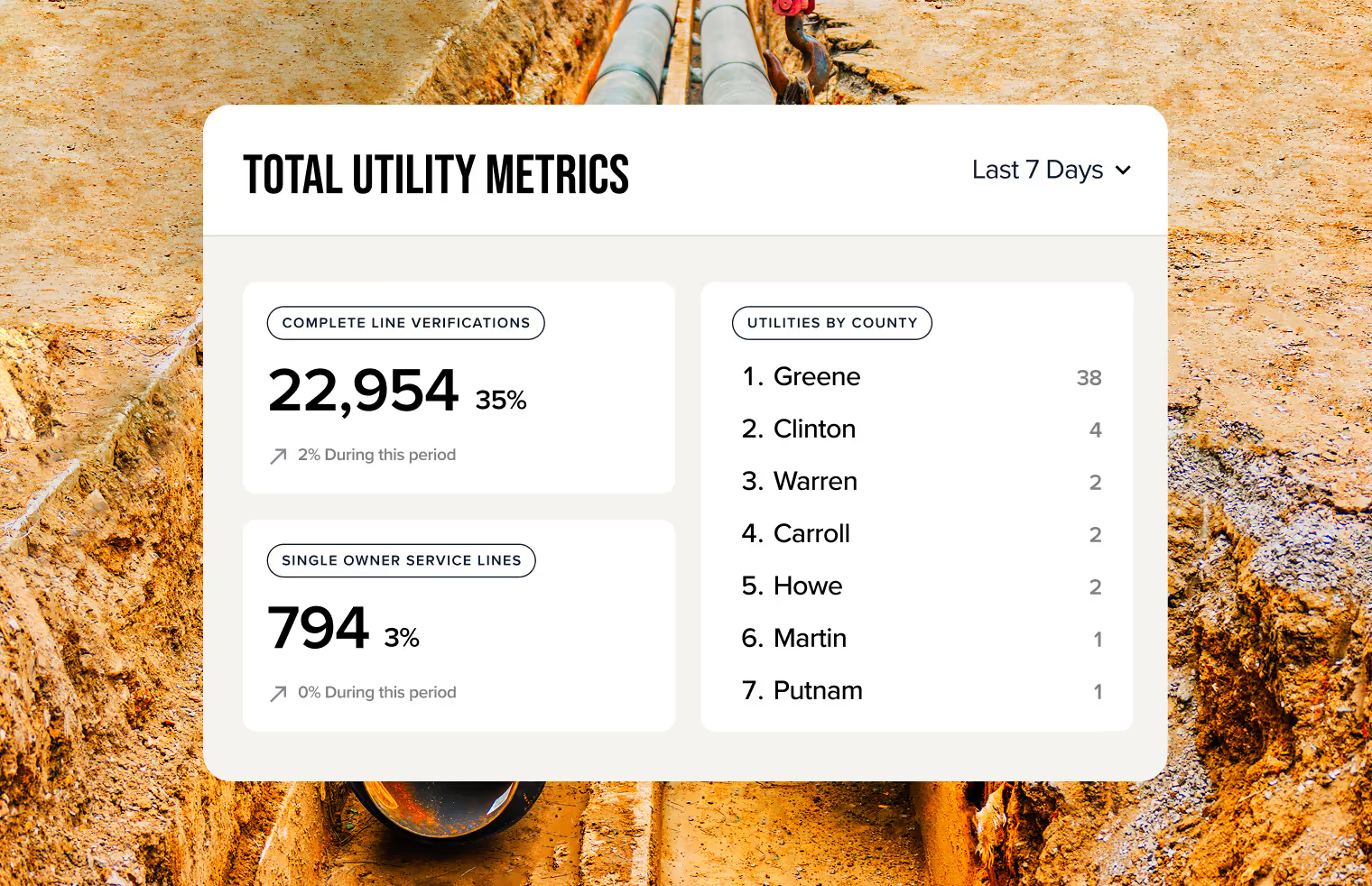
Field Verification: Scale your field verification with hands-on help from 120Water's Partner Service Network. Ensure consistent, quality work while you oversee the program.


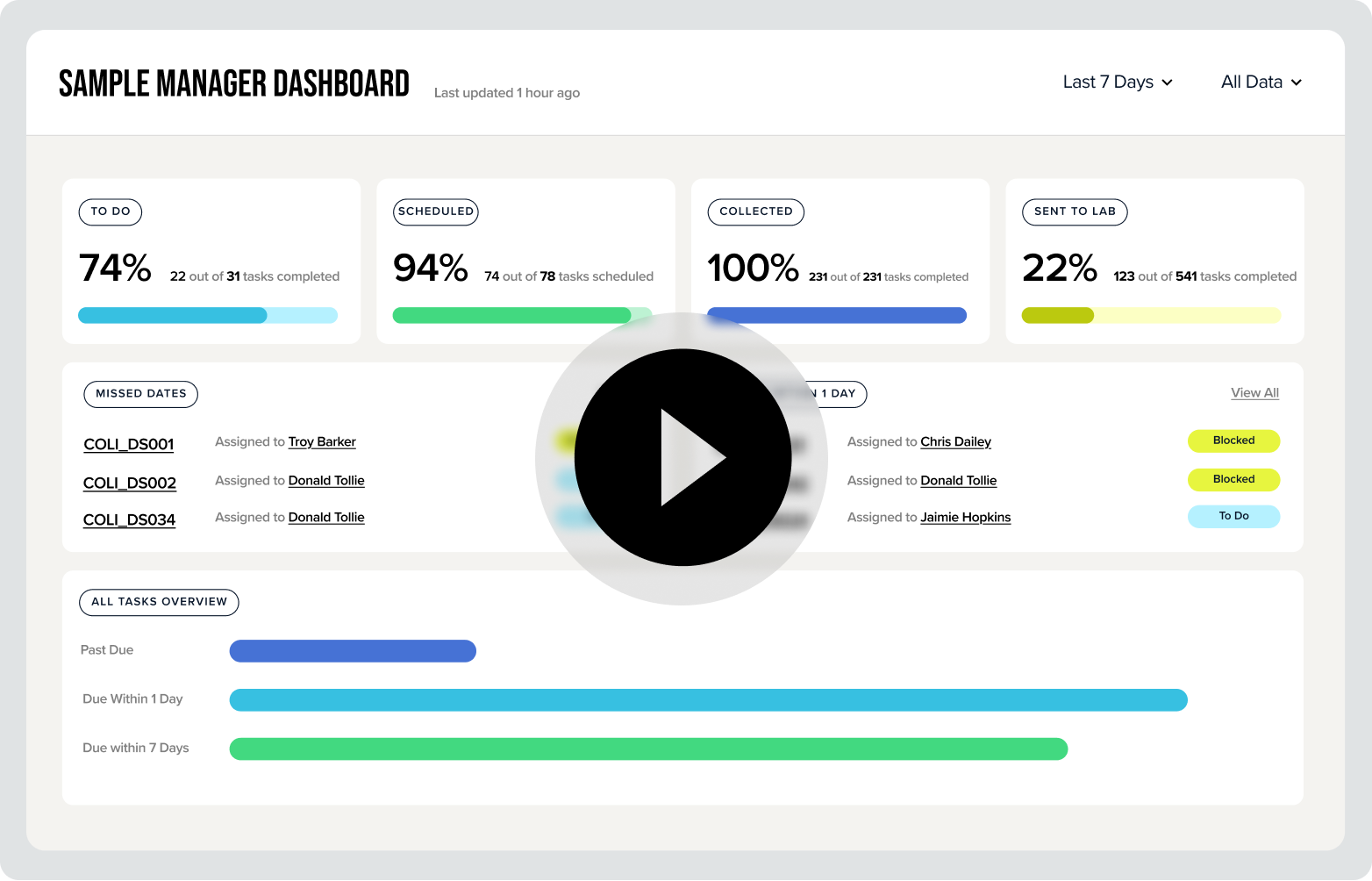
Full Software Integration: All data lives in one secure platform, supporting inventory management, compliance tracking, and reporting to your state agency.

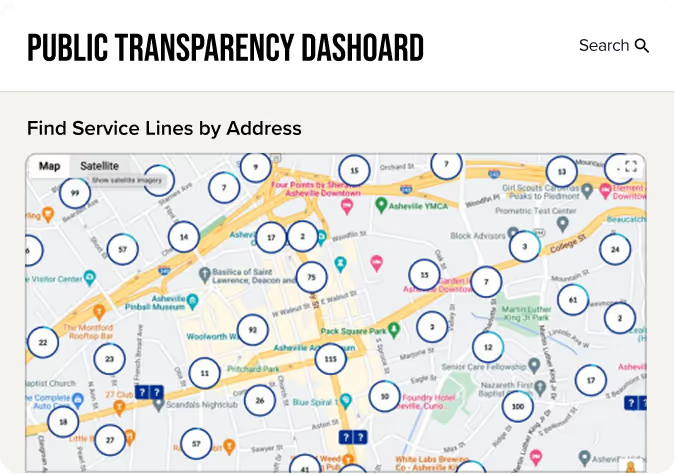
Public Transparency Dashboard: Keep residents and regulators informed about their service line classification with a no code website.
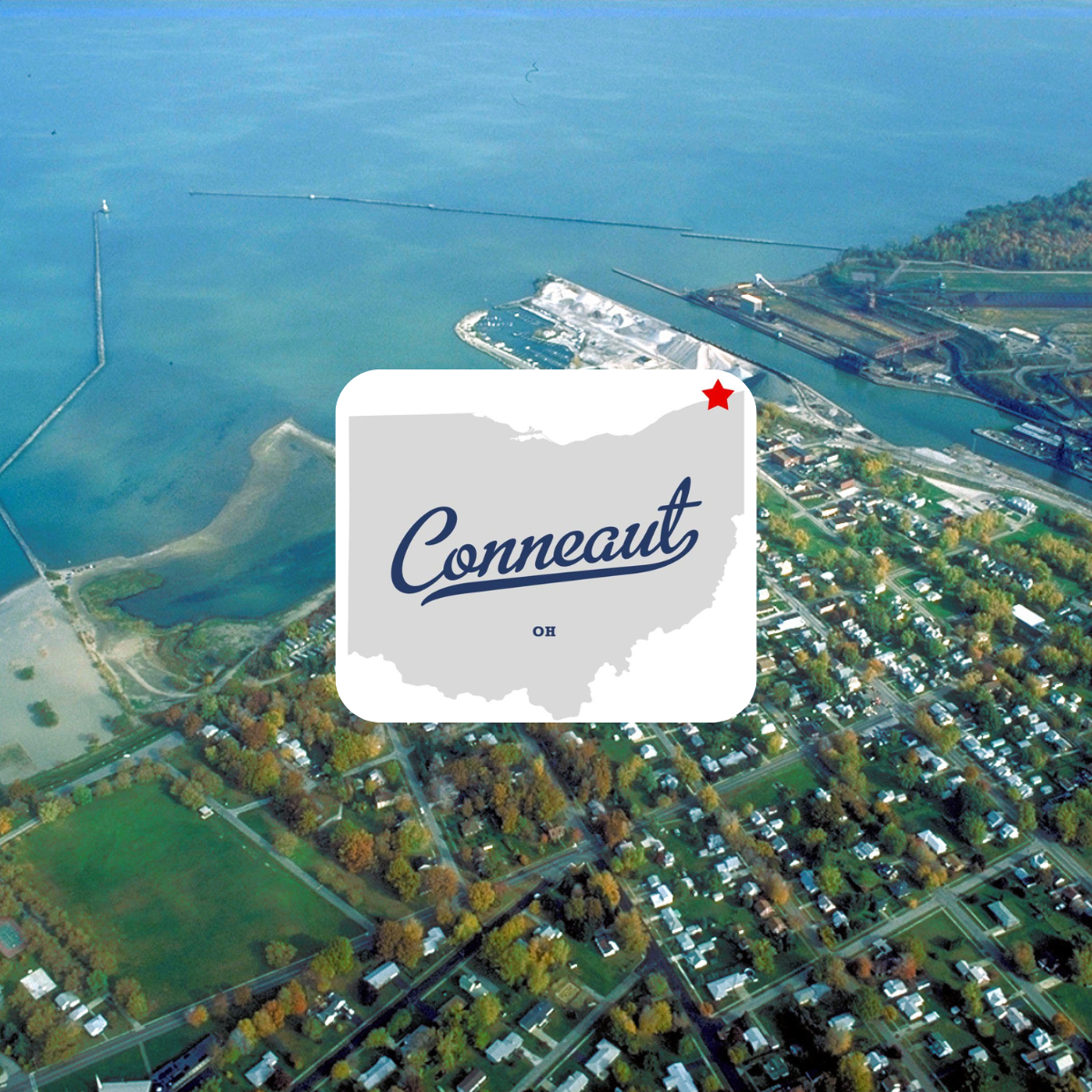
Verification in action
To reduce unknown service lines and avoid costly potholing, the City of Conneaut partnered with 120Water to launch a targeted Resident Material Identification Survey across its 5,296 service lines. The goal was simple: get accurate data fast and empower the city to update its inventory with confidence.
By pairing smart outreach with 120Water’s tools and services, Conneaut achieved a standout 20 percent response rate, giving the city clean data to move forward while strengthening community trust along the way.
Frequently Asked Questions
120Water supports every state-allowed method, including records review, customer surveys, visual inspections, statistical analysis (where permitted), and field verification through the 120Water Partner Network. We tailor your verification strategy to your state’s rules, ensuring every step is defensible and compliant.
Unknowns are expensive. We help utilities decrease them with a layered approach: digital and mailed surveys with QR codes, proactive education materials, data-driven customer targeting, advanced modeling, and coordinated field verification. The result is fewer door knocks, fewer digs, and a faster, clearer picture of your system.
Yes. 120Water provides mobile-friendly digital forms where customers can upload photos, answer guided questions, and confirm material type. These submissions flow directly into your 120Water inventory, so your team doesn’t have to chase emails, calls, or loose PDFs ever again.
We provide both. Many water systems choose to scale their efforts with the 120Water Partner Network, which performs field verifications to your specifications. Your utility maintains oversight while we handle the boots-on-the-ground work, ensuring consistency, quality, and safety.
Verification is often the first time residents hear about their service line material. We help utilities build trust by pairing verification efforts with educational collateral, transparent messaging, and clear explanations about why you’re asking for their help. When people understand the “why,” response rates increase and resistance drops.
That’s normal. Most systems start with imperfect data. 120Water helps you consolidate what you have, fill in the gaps with modeling or structured verification, and document every decision. Even with a large number of unknowns, you can move forward confidently with a plan that meets your state’s requirements.