
Public Communications
turn compliance into connection
120Water provides everything needed to create, send, and track public communications across every channel. From proactive outreach to regulatory mailings and state submissions, we help you stay compliant, stay transparent, and stay connected.

Lorem ipsum dolor sit amet, consectetur adipiscing elit. Suspendisse varius enim in ersssssssss
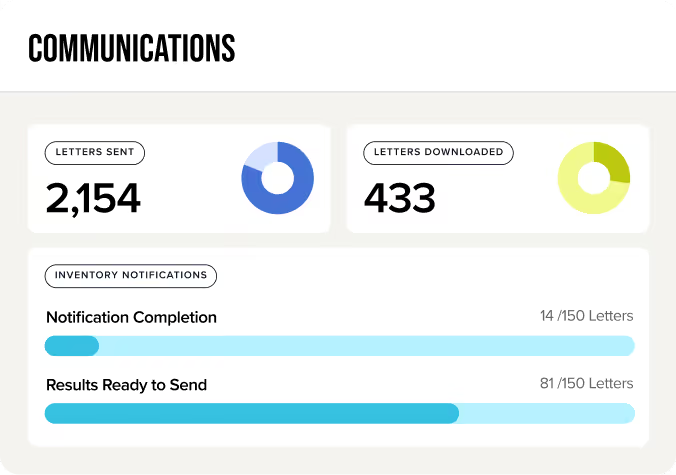
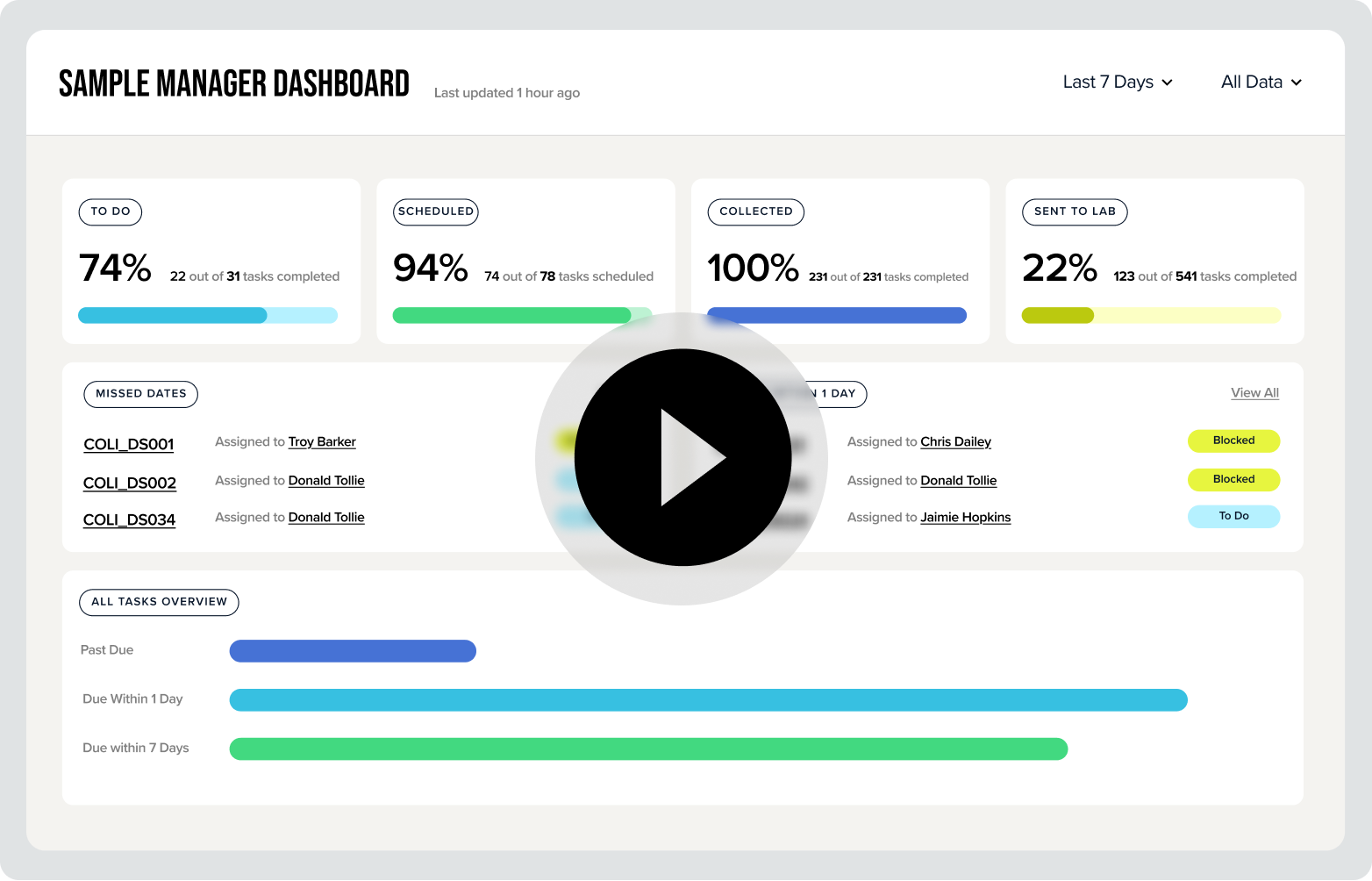

Keep your community informed. Keep your compliance on track.
Public communication plays a bigger role in water operations every year. Requirements are growing, expectations are rising, and customers want clear answers about their water quality. Utilities need solutions that cut through the noise and keep your community confident in the work you’re doing, all while maintaining compliance with your state.
Regulatory Requirements
Some communications aren't optional.
120Water supports all required touch points that the LCRI and other regulations demand.
-
LCRI annual notifications
-
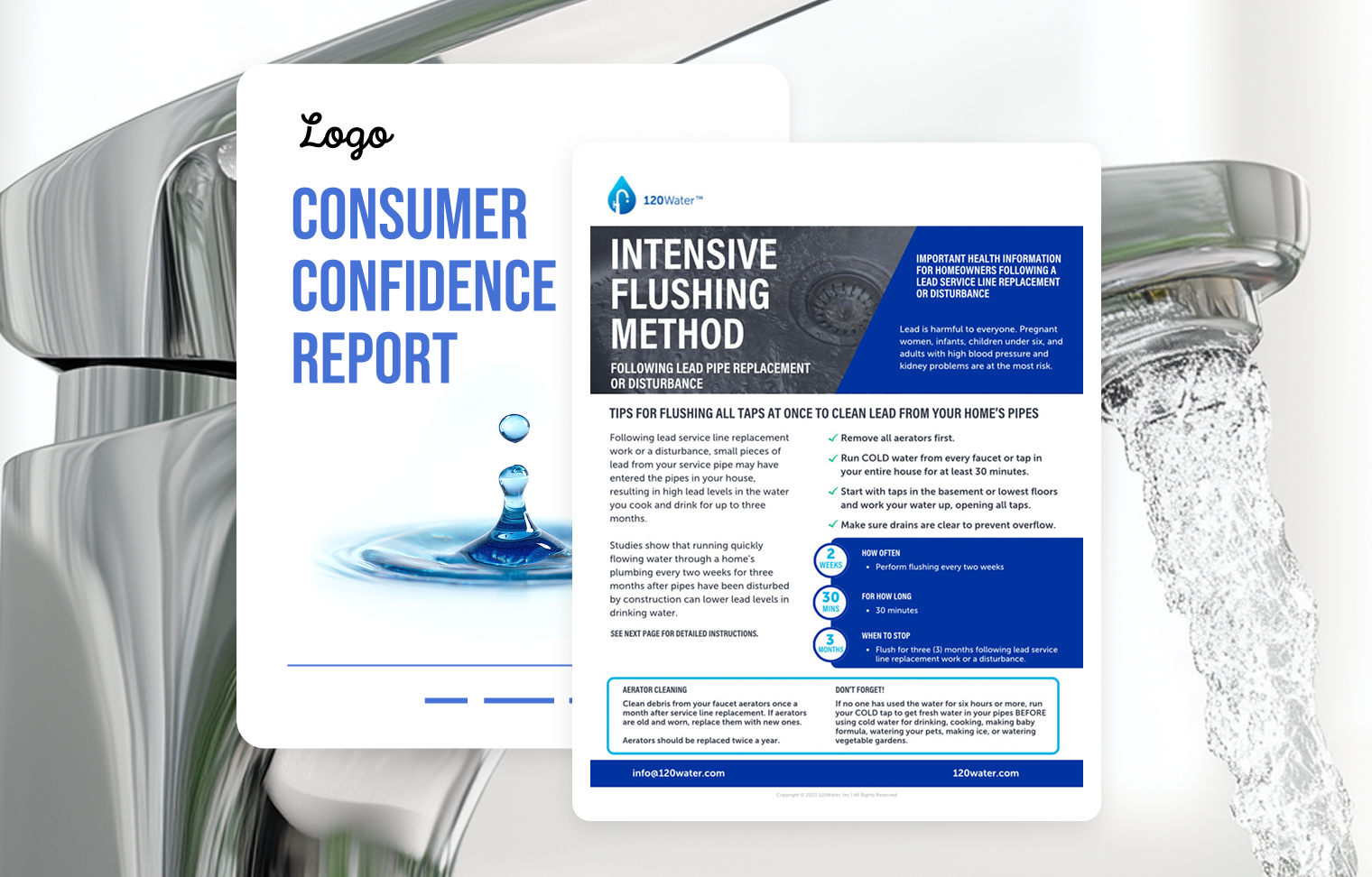
Consumer confidence reports
-
Public inventory publication
-
Sampling, verification, and replacement communications
Non-Regulatory Engagement
Build trust and demonstrate transparency.
Use our communications module to build a bridge with your community.
-
Education and awareness campaigns
-
Operational and construction updates
-
School and childcare outreach
-
Customer service and billing adjacent messages
Engagement that meets customers where they are
Our communications module supports a full range of channels, so you can reach residents quickly and in the way that works best for them.
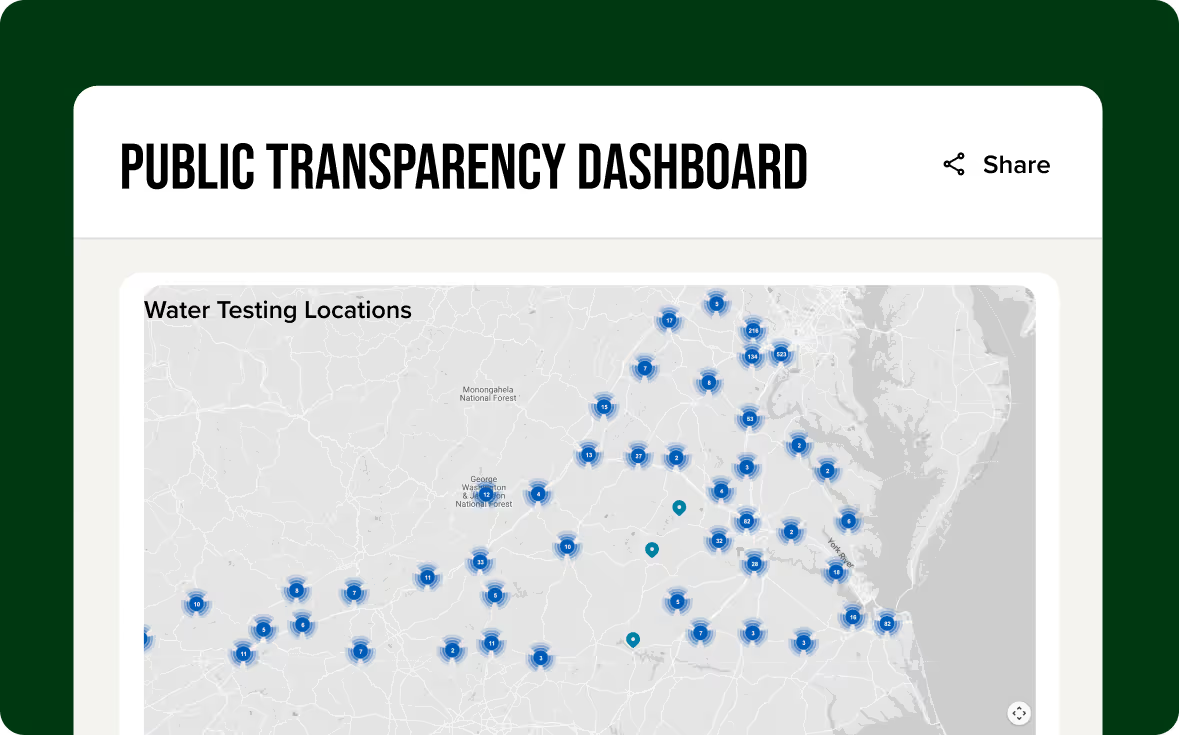
Web hosting
Leverage our Public Transparency Dashboard to host your inventory, CCR, and sampling results online.
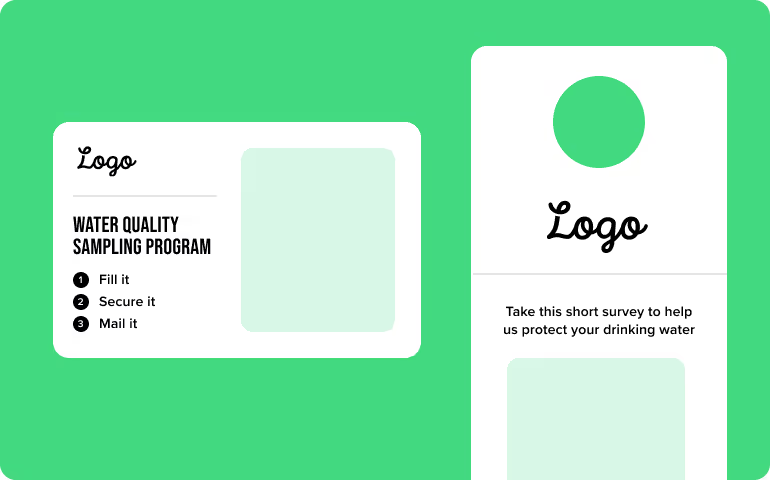
Printed materials
Customize pre-built letters, postcards, and self-mailers to connect with the public and meet EPA and state requirements.
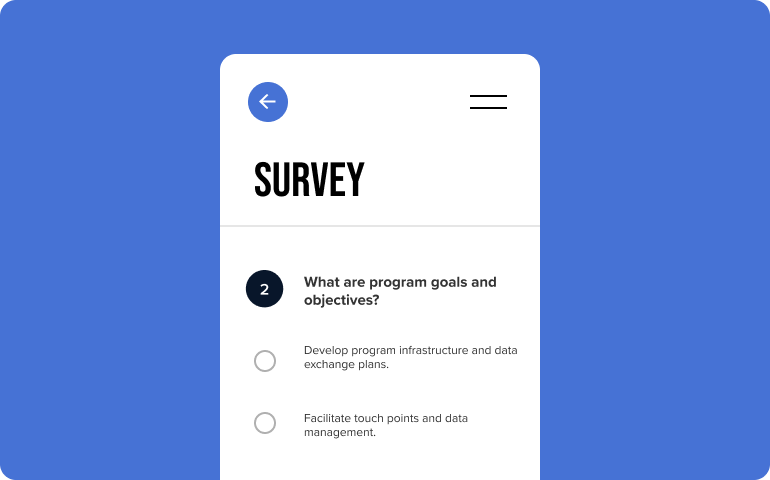
Mobile surveys
Mobile friendly online surveys for service line verification, program feedback, or customer satisfaction assesments.
Communications in action
To meet New Jersey’s notification rules, American Water partnered with 120Water to automate the preparation, mailing, and tracking of service line material notices across more than 30 public water systems.
With the 120Water platform, American Water gained clear visibility into what was sent, when it was delivered, and what required follow up. The result is faster compliance, smoother operations, and confident communication with millions of residents and property owners.
Frequently Asked Questions
120Water supports every major communication requirement for public water systems, including LCRR and LCRI notifications, Consumer Confidence Reports (CCRs), verification outreach, service line inventory communications, public transparency dashboards, and community education materials. Utilities can combine printed mailers, emails, social media templates, event materials, and digital surveys into one connected strategy.
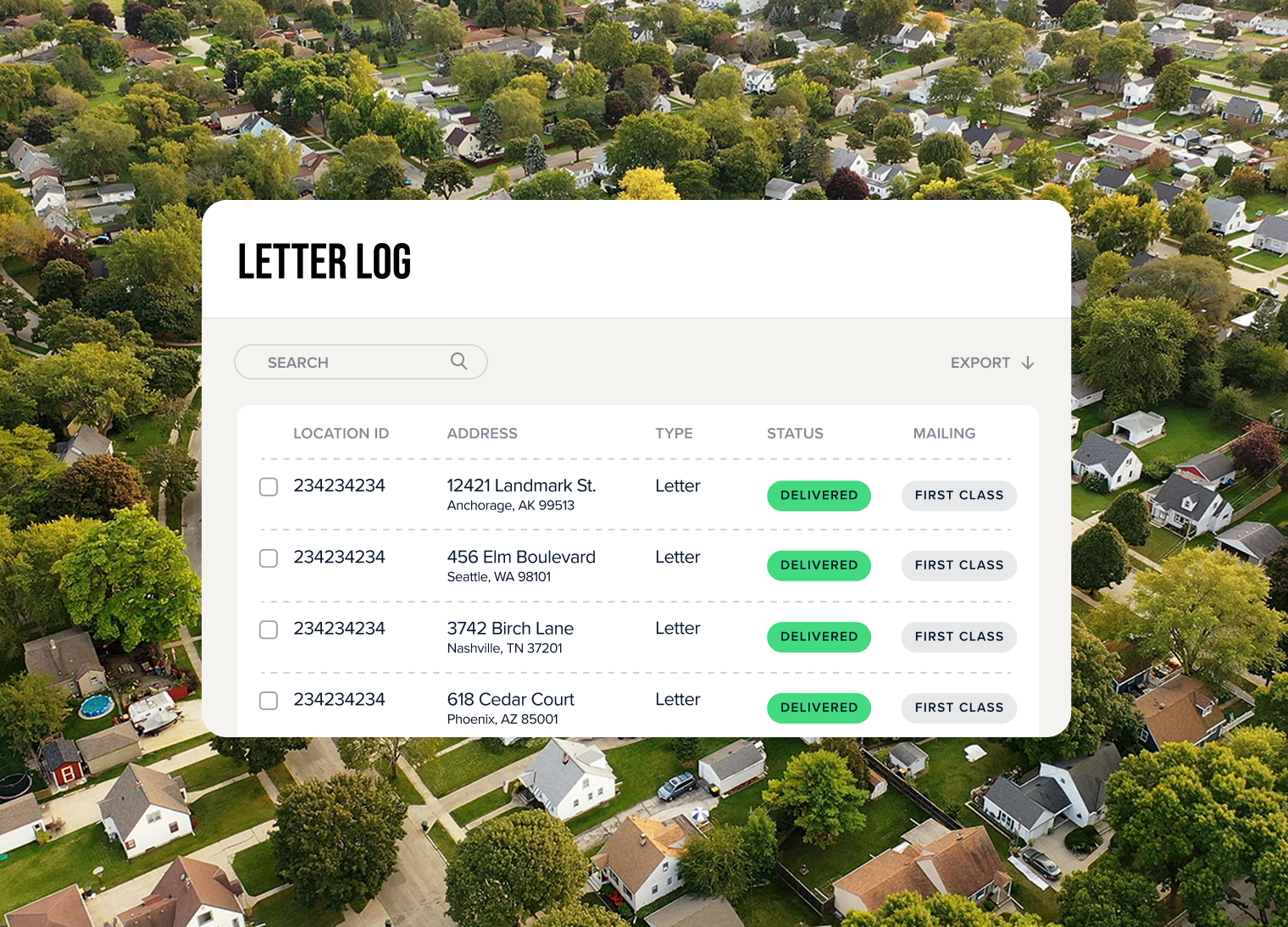
Our platform automates the full communication workflow: filtering affected customers, applying state-approved letter templates, mailing lead, unknown, and GRR notifications, and tracking delivery with a complete audit trail. We also support 30-day and 24-hour notifications, public inventory hosting, and ongoing resident education to keep utilities compliant year-round.
Yes. Many utilities use 120Water for non-regulatory outreach such as flushing guidance, water quality education, event promotion, construction updates, community meetings, boil advisories, and school outreach. Our digital and printed materials help you stay connected with customers even when compliance isn’t the driver.
We do. 120Water handles printing, postage, mail preparation, and delivery tracking for required notices and education materials. Utilities can send postcards, door hangers, single-page letters, or multi-page notifications, and track everything in real time. This helps ensure every resident receives accurate information on schedule.
Our Public Transparency Dashboard gives residents an easy, self-service way to look up their address and see water quality information, service line material types, and sampling history. This improves transparency, reduces call volume, and helps utilities meet LCRI requirements for public access to inventory data.
120Water is purpose-built for public water systems. Our tools combine compliance workflows, communication materials, mailing services, digital engagement, data integration, and program tracking in one platform. Everything is designed for operators, fits evolving EPA rules, and supports both regulatory and non-regulatory community engagement.