
Predictive Modeling
Make Every dig count
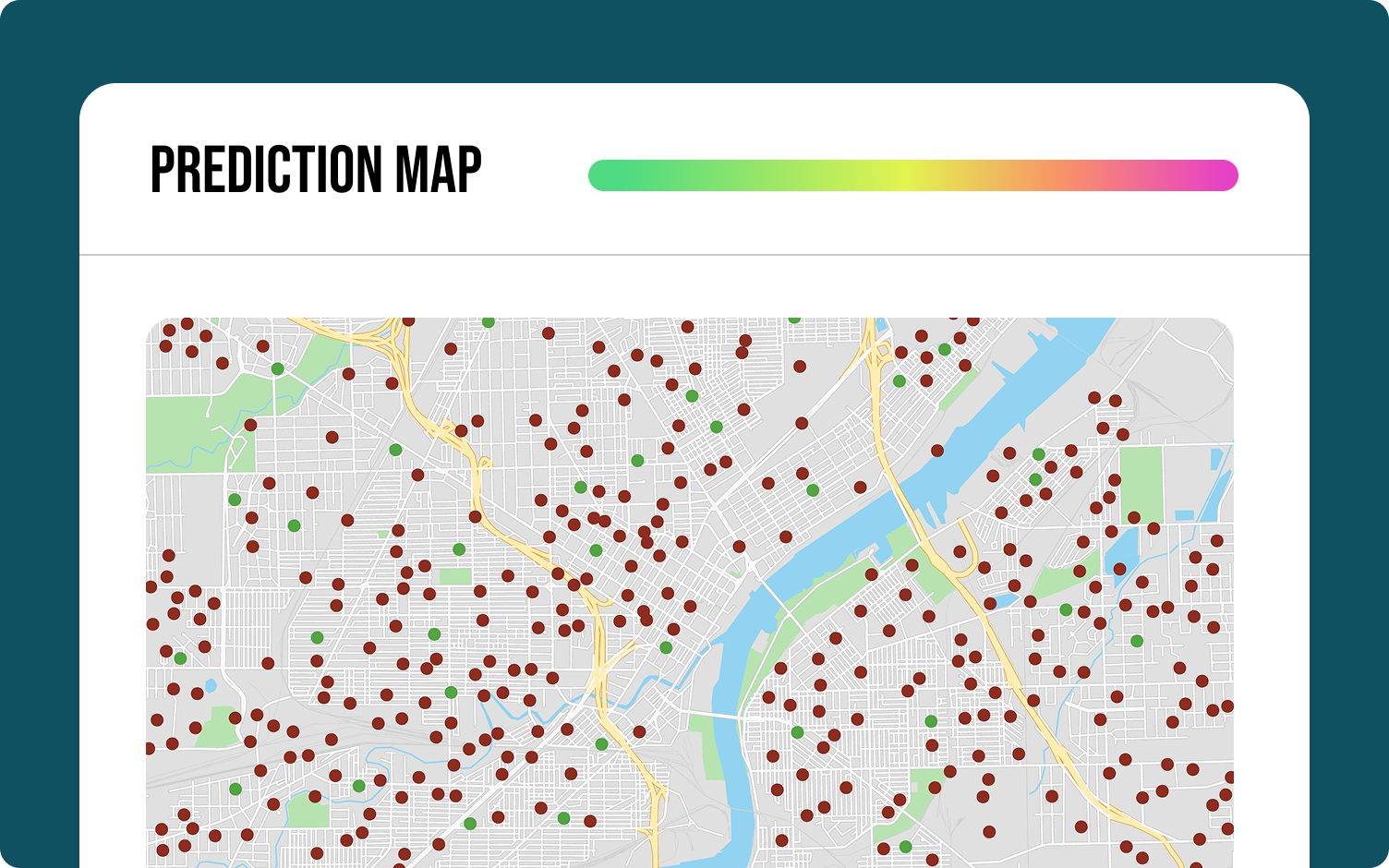
Not every unknown service line needs a site visit. 120Water's Predictive modeling helps you figure out which ones do.

Lorem ipsum dolor sit amet, consectetur adipiscing elit. Suspendisse varius enim in ersssssssss

Why Predictive Modeling

Fewer wasted digs
Faster inventory progress
Supported by experts
LCRI ready
Target your efforts. Lower costs. Make real progress.
Deadlines are coming fast. If your team suspects lead or GRR, 120Water's Predictive Modeling solution helps your team meet your compliance deadlines faster and at a lower cost than traditional verification methods.
Prioritize the right locations
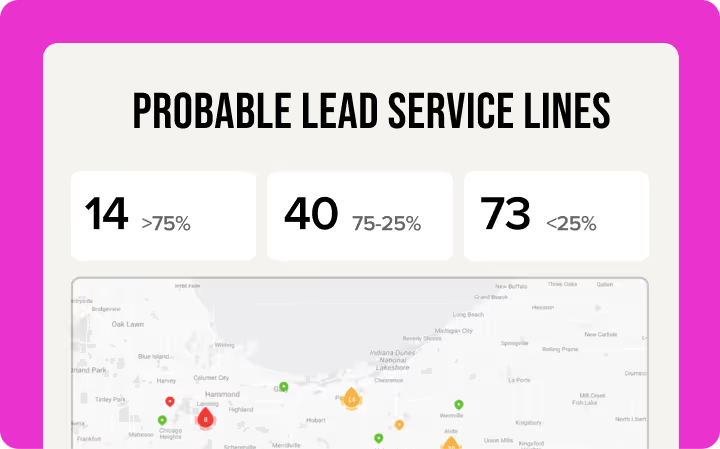
When funding is limited, every dig needs a reason. Focus on locations backed by data, not assumptions.
Eliminate unnecessary digs
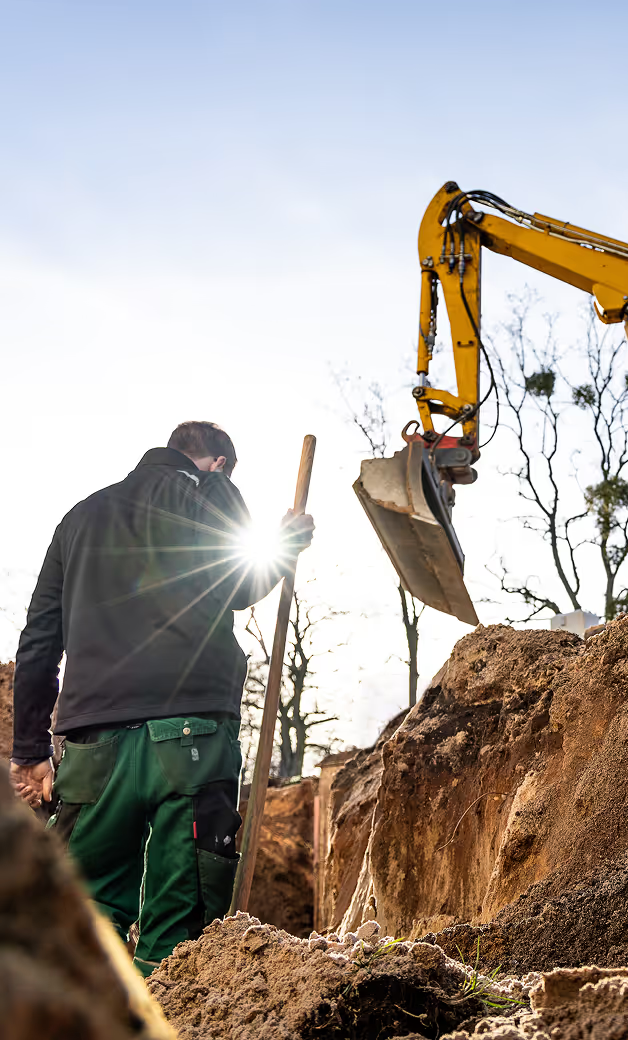
Nothing frustrates a crew like digging up clean pipe. Accurate predictions reduce low-value excavations so time and effort aren’t wasted.
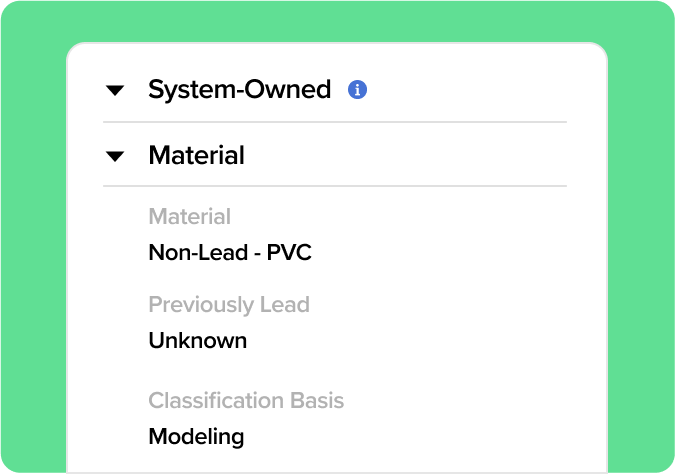
A plan your state can work with
Every prediction comes with expert guidance on next steps. We help you understand what the results mean, what your state needs to see, and how to move forward with confidence.
Here’s how it works

The 120Water team of experts will review your key data inputs and system specifications in great detail to train our AI model.
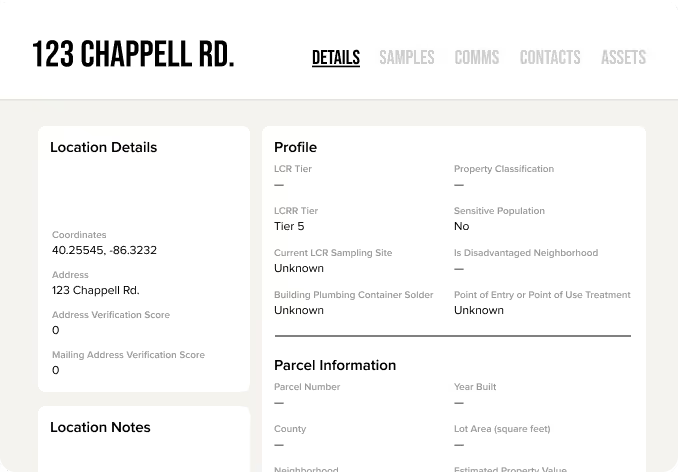

120Water runs the AI model and generates predictions to pinpoint where the highest lead and GRR risk lies.
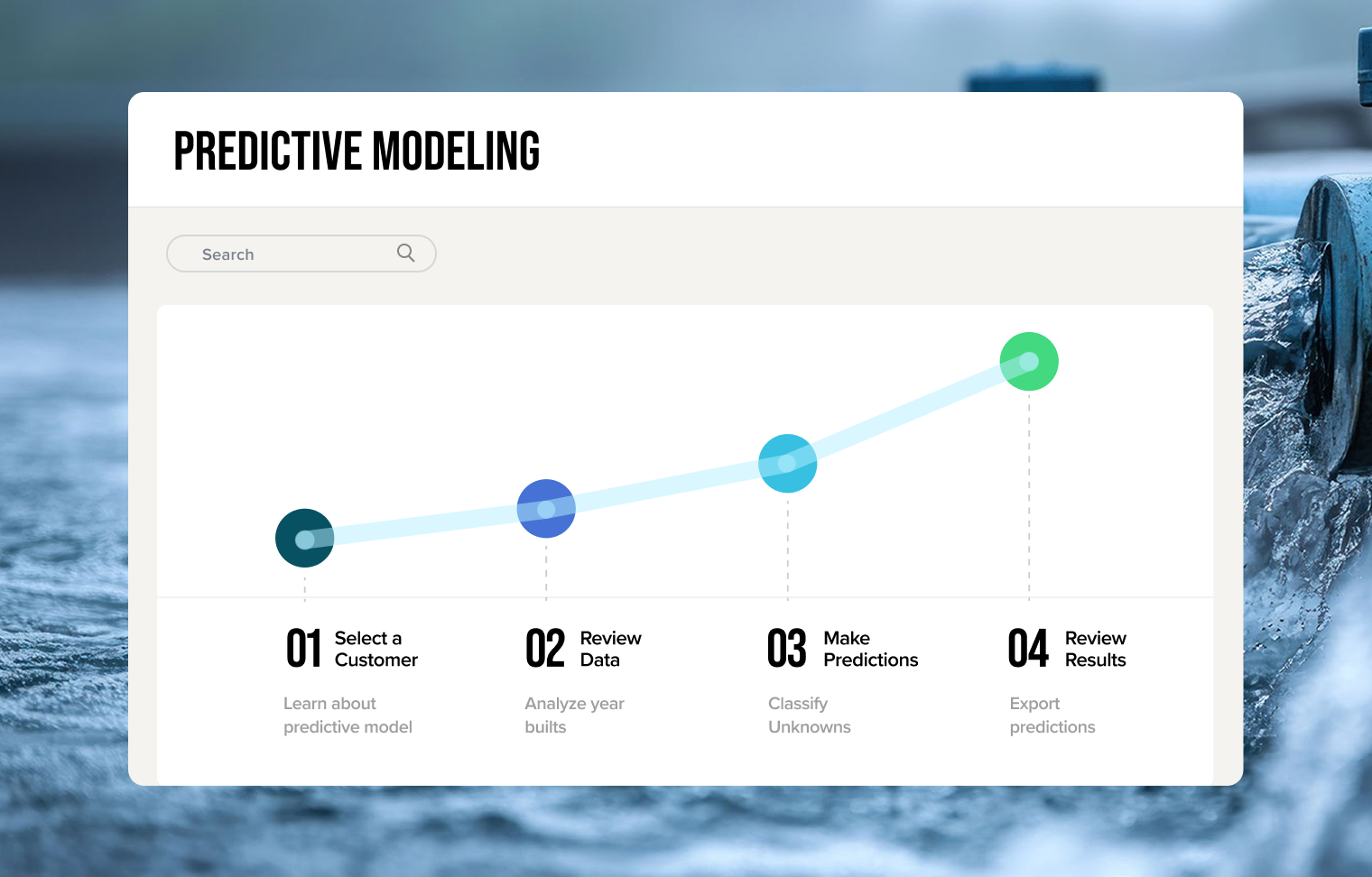

You’ll review our predictions and conduct field verifications. This data then feeds into our platform and makes our model even smarter.


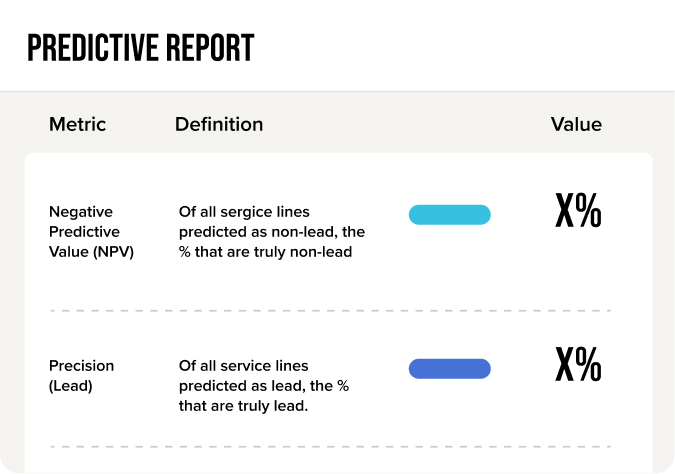
We check that predictions meet your state's threshold before we hand anything over.
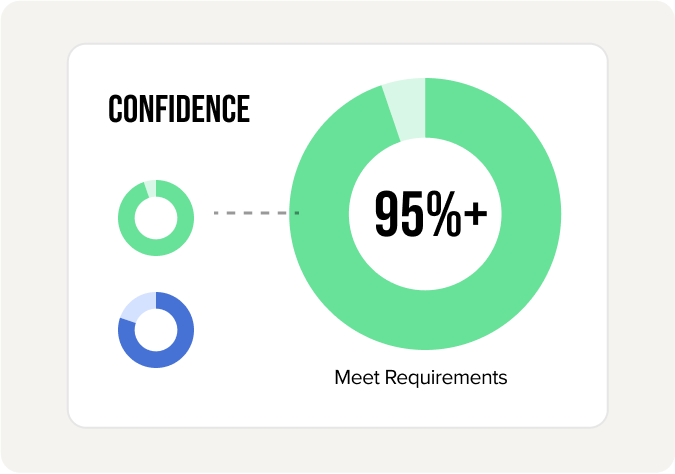

We generate a deliverable designed to support your regulatory submission to your state.

Predictive modeling in action
El Paso Water, a large utility with approximately 240,000 service lines, entered 2025 with nearly 130,000 lines classified as unknown. After field-verifying about 60,000 lines in six months and encountering limitations due to inaccessible infrastructure, the utility turned to 120Water for predictive modeling. Using our model, more than 40,000 unknowns were classified as Non-Lead at an extremely low per-line cost.
This approach saved El Paso Water over $150,000, significantly reduced field work and customer notices, and helped cut the number of unknown service lines from roughly 130,000 to fewer than 13,000 in just one year.
Frequently Asked Questions
Our model analyzes dozens of variables including construction year, parcel data, housing characteristics, historical records, and known material types to create data-backed predictions for every address. Utilities can use these insights to prioritize field verification, reduce unnecessary digs, and accelerate their LCRI inventory updates.
Our model analyzes dozens of variables: construction year, parcel data, housing characteristics, and known material types. It generates predictions for every unknown address in your inventory. And it gets smarter over time. We work through multiple rounds with you. Each time field verification results come back in, the model refines. Most utilities go through three to five iterations before arriving at a complete, submission-ready inventory.
You don’t need perfect records. Our team works with whatever data you have: tap cards, GIS layers, billing data, parcel files, verification results, and replacement history. The model is designed to fill the gaps and enhance the information you already maintain, even if you have a large number of unknowns.
Predictive modeling helps you avoid inspecting low-risk locations and instead focus verification efforts where lead is most likely to be found. That reduces field labor, cuts back on digs that aren’t needed, and helps you build a more accurate inventory with fewer resources. The result is faster progress with clearer justification for your decisions.
Many states actively encourage data-driven verification strategies, and several allow predictive modeling as part of an approved statistical validation approach. Our team tailors every model to your state’s rules and provides documentation you can share with regulators, giving you confidence that your plan aligns with local requirements.
Absolutely. Utilities use these insights for capital planning, prioritizing replacements, communicating more accurately with residents, and supporting future funding applications. Predictive modeling builds a stronger foundation for long-term water quality management, not just inventory completion.