
How many of your unknowns actually need a site visit?
Enter three numbers from your inventory. You'll see what statistical analysis could save you in field costs, and whether your crew can finish before the LCRI compliance date.

ROI Calculator
How many of your unknowns need a site visit?
Enter three numbers from your inventory. You'll see what statistical analysis could save you in field costs, and whether your crew can finish before the November 1, 2027 deadline.

Lorem ipsum dolor sit amet, consectetur adipiscing elit. Suspendisse varius enim in ersssssssss
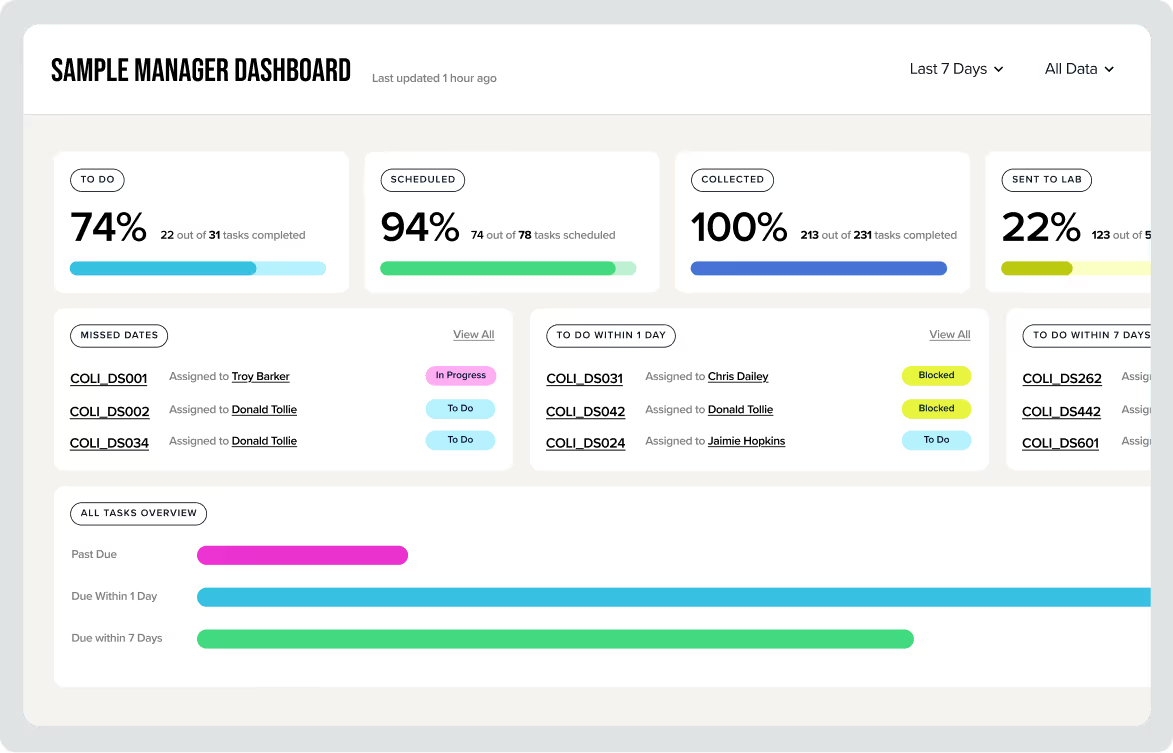
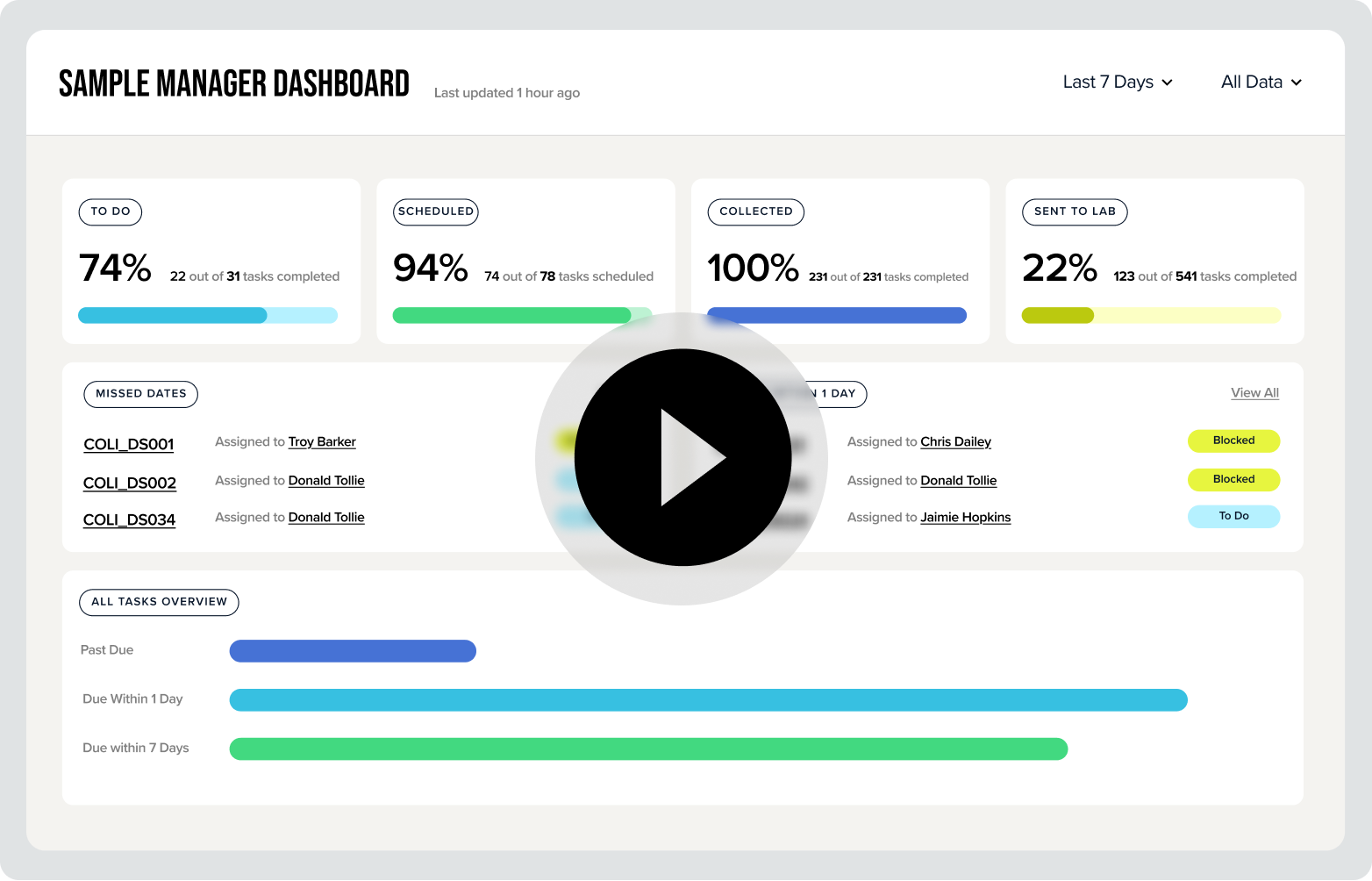

Why Sample Manager

Save time
Centralize data
Reduce risks
Improve team coordination
From collection to compliance – all in one place.
Managing the complexities of LCRI doesn’t have to be complicated. 120Water gives you the platform and the automation you need to keep programs moving and communities informed.

Unknown service lines
Use the unknown count from your current inventory, not the one you submitted in 2024 if you've verified lines since.
Cost to verify one line
Include crew time, equipment and site restoration, or your contractor's per-line price. If your state requires both sides of the line to be checked, count both.
Lines verified per week
Use the pace your crew can hold over months, accounting for weather, other work orders and time off, rather than your best week.
Insights, resources, and tips for water operators
Frequently Asked Questions
By 2027, systems must classify all service lines as lead, non-lead, galvanized requiring replacement, or unknown. These classifications should also include connectors and goosenecks. If you aren’t sure about meeting these requirements, reach out to us! We’d be happy to help guide you through the process.
Notifications must be sent annually by July 1 unless state rules specify otherwise. With 120Water, we help automate your compliant letters and track delivery.
Lines without a confirmed material classification must be marked as unknown. 120Water’s water compliance platform helps document historical data, verify materials, and manage field inspections.
While state rules differ, 120Water guides your team through which statistical methods are permitted and how to apply them correctly.
Approved records include construction codes, plumbing permits, tap cards, installation records, billing records, and previous sampling/inspection data.
The 1978 lead ban marks a key cutoff for determining probable lead materials. Homes built after the ban are more likely to have non-lead lines.