
Aging Water Infrastructure is a Serious Threat to Water Quality Throughout the U.S.
LSL Replacement
Funding & Budgeting
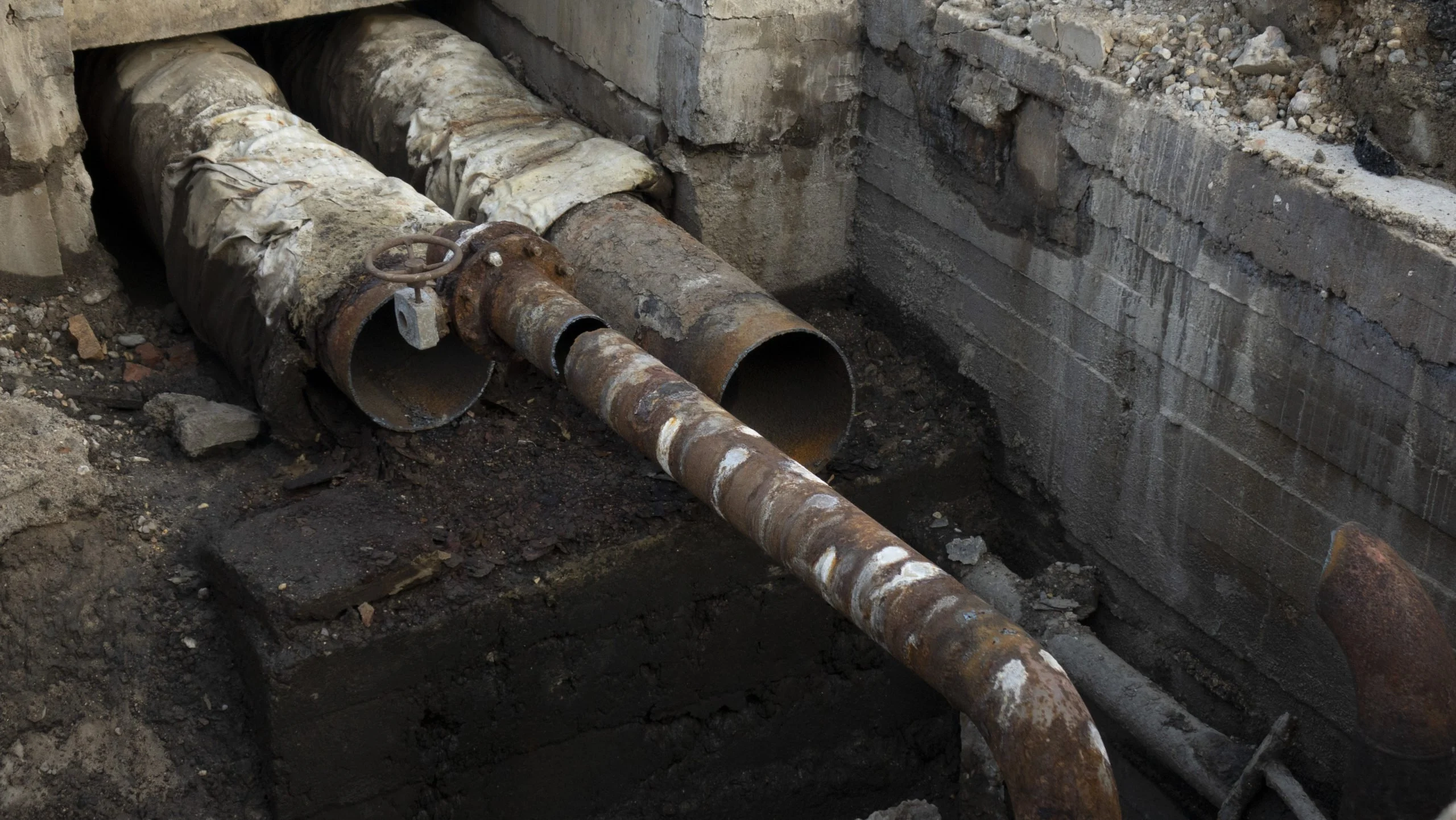
Water systems across the nation are rightfully proud of their histories, many dating back to the end of the 19th Century. During that time, cities and towns across the country began providing safe and dependable drinking water to their residents. Decades later, these same systems experienced substantial growth post WWII both economically and through the expansion of water service areas – however, since that growth, many of those original pipes remain in communities and are approaching 70 years old today. There are still water mains in the ground today that have far exceeded their normal life expectancy, resulting in water loss and service interruptions that become part of the day-to-day routine of water systems.
The Need for Investment
In a 2018 survey and assessment, the Environmental Protection Agency (EPA) found that drinking water infrastructure alone needed nearly $500 billion in maintenance and improvements over the next 20 years. This figure does not even include the cost of addressing lead service line issues and the need to add additional capacity in growing communities. Coupled with the need to replace aging pipes, water utilities are facing the need to prepare for the impacts of climate change on their operations. Recent drought events suggest that water supplies in many states will face serious challenges just to keep operating normally. We see the need to replace an aging infrastructure, and we know the majority of current infrastructure is reaching end of service life, so why don’t we just fix it?
Competition for Funding
While the federal government is actively addressing the need for infrastructure spending, it is clear that roads and bridges often take precedence because they are seen and driven on every day. Water system assets are buried or hidden from the public eye, making the competition for dollars a challenge. As the old saying goes, “out of sight, out of mind.” Water and wastewater utility projects are notoriously difficult to fund compared to other infrastructure initiatives. In order to fund water and wastewater infrastructure projects, it’s important to know the tools and resources available. Check out our Funding Hub page for resources related to clean water funding opportunities.
Importance of Transparency & Teamwork
Ultimately, communication, transparency, and teamwork are the keys to planning and executing water infrastructure projects. These important initiatives require the buy-in and support of a whole range of people. Fostering relationships with regulatory agencies, local government officials and the public are important aspects of any planning efforts. To assure that our water systems continue to operate effectively and our water quality improves, we must continue to work together at the local level and ensure that enough funding is being distributed to our vital water systems.
.png)
.png)