

What Counts as a Lead Service Line?
Lead & Copper Rule
LSL Inventory
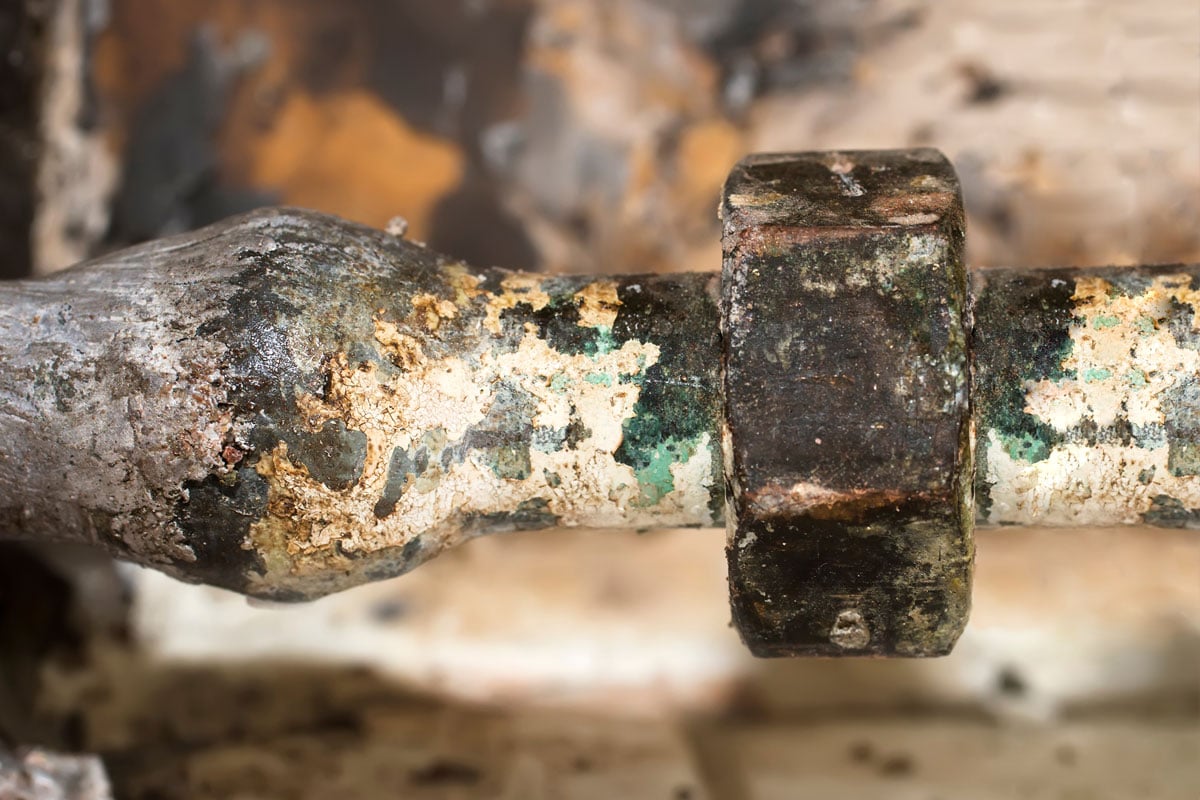
Very few utilities have complete records of materials on both the public and private side, and even communities that don’t have a history of constructing with lead will need to validate and document their current service line materials. While the revised LCR refers to this document as a “Lead Service Line Inventory,” the reality is that utilities should be planning to document all service line materials possible, not just lead.
Understanding the New Mandates
First things first, it’s important to understand the repercussions of this mandatory inventory, and how categorization of lines will affect the rest of your system’s water programs. The revised Rule introduces the following key changes:
- While the Action Level remains at 15ppb, the revised LCR introduces a new trigger level of 10ppb, requiring more proactive planning in communities with LSLs.
- If the 90th percentile monitoring results are between 10-15 ppb, the system will be required to pursue a replacement goal.
- Any system with an action level exceedance needs to replace 3% of identified LSLs for at least two years (down from 7%).
- Systems must notify every customer served by either an LSL or an Unknown material type annually.
- Any home served by an LSL will require a 1st and 5th liter draw
Familiarize Yourself with Required Service Line Categories
According to the revised Lead and Copper Rule, there are five possibilities for service line categories as you conduct your inventory. The chart below outlines each of them (red requires replacement actions).
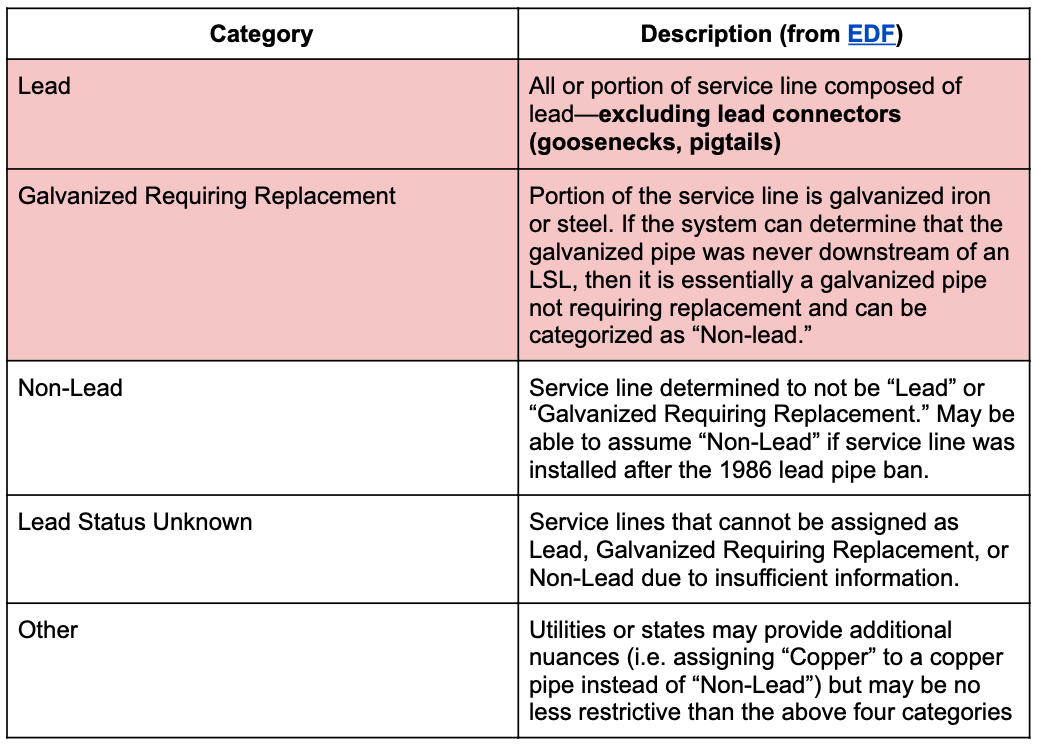
Sorting service lines into each of these categories will be no easy task, and you’ll need to embark on an ambitious data project to pull together material styles, install years, city records, and more. Tools such as 120Water’s Lead Service Line Probability Finder incorporate public records such as home age (listed as an approved source of information by the EPA) and can help to predict and visualize LSL locations. Even with advanced technology and extensive records, it’s likely that a number of service lines will need to be categorized as “Lead Status Unknown” due to insufficient information. The revised Rule states that utilities must submit an action plan for investigating the materials of service lines that fall into these categories.
Where EPA Missed Out
While the LSL inventory requirement is a positive step in the right direction to removing the estimated 6-10 million LSLs nationwide, the EPA failed to remedy their problematic definition of a Lead Service Line, missing out on an opportunity to tighten and future-proof their definition to prevent costly additional work down the line. The definition of an LSL under the revised Rule includes either publicly or privately owned lead pipes as well as galvanized pipes currently or previously connected to lead pipes. The reality is, as more is learned about lead piping across our nation and public pressure continues to push for more reform in that area, this definition is likely to change and expand – and it would be wise to stay ahead of those changes to make sure your inventory stands the test of time.
Future-Proofing LSLs to Save Time and Money
We recommend that inventories detail the following public and private information for your service line inventory to be sure you’re collecting the data up front and doing everything in your power to protect public health:
- Lead Pipes
- Lead Fittings
- Copper with Lead solder
- Galvanized lines
- Unknown materials
By approaching your inventory with this broader mentality of what may constitute a replaceable service line, you’ll be set up for long-term success and have a more accurate, complete picture of your service line materials. We also recommend capturing the basis for any material assumptions you make to help avoid inefficiencies if it becomes a requirement to go back and fill in information in future years.
Inventorying is a Huge Undertaking
Creating a Lead Service Line is a massive project, one that will have ramifications for your communities for years to come. It’s the type of challenge that, if done right, can act as the framework for decades of infrastructure and public health improvements. That’s why we encourage water systems across the nation to take this opportunity to capture as much information as possible, creating a detailed look at your community’s service line materials, which can put you in line for federal funding, keep you ahead of any potential changes, and ultimately protect your resources and your customers.
.png)
.png)
.png)